Crossness garden maintenance prices real cost explained
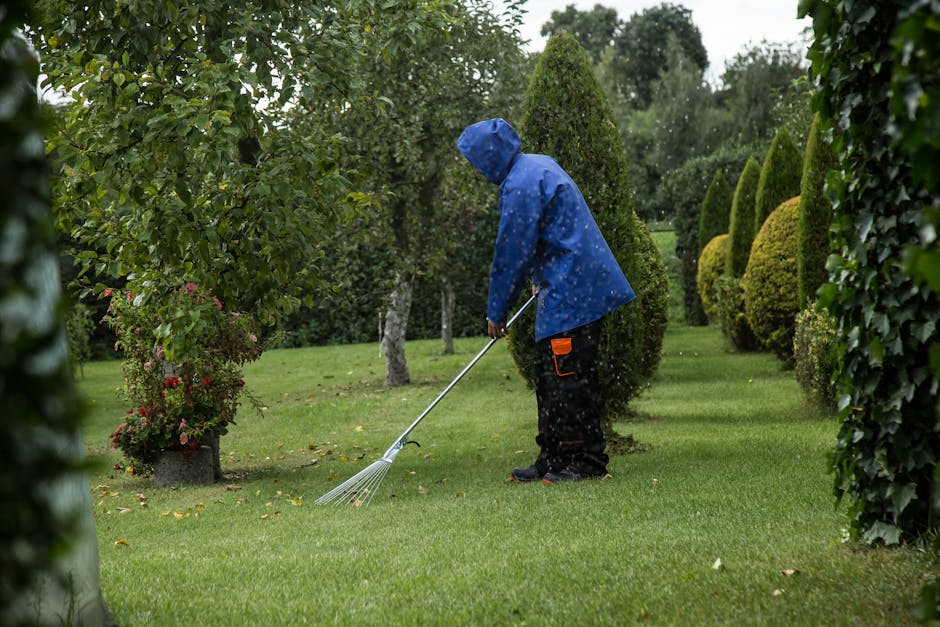
If you have ever looked at a garden and thought, "How much would it actually cost to keep this under control?" you are not alone. The truth is, Crossness garden maintenance prices real cost explained is a broader question than many people expect. A tidy front lawn, an overgrown back garden, a hedge that seems to have grown overnight, and a patio that needs rescuing all carry different levels of labour, time, and materials. So the price is rarely just one neat number.
This guide breaks the cost down in plain English. You will see what affects pricing, what is usually included, where people often overspend, and how to judge whether a quote is fair. We will also cover practical ways to keep maintenance costs sensible without letting the garden slide. To be fair, that balance is often the whole game.
If you are comparing options, you may also find it useful to look at pricing and quotes, browse the full range of garden maintenance support, or check related services such as lawn mowing and hedge trimming in Crossness.
Why Crossness garden maintenance prices real cost explained Matters
Garden pricing can look straightforward at first glance, but that is often where people get caught out. A quoted visit price may sound fine until you realise it only covers a quick cut and tidy, not hedge shaping, weed removal, bed clearance, green waste handling, or anything a bit fiddly. In a local area like Crossness, gardens can vary hugely too: small paved spaces, family gardens with lawns, older plots with tangled borders, and low-maintenance spaces that still need seasonal attention.
The real cost matters because it affects more than your wallet. It affects how often the garden gets seen to, whether tasks are done properly, and whether small issues become expensive ones. A neglected lawn does not improve itself. Nor does a hedge that is now one side of the fence higher than the other. You know the sort.
There is also a difference between cheap and good value. Cheap maintenance often means one-off tidying with little long-term benefit. Good value means the right work is done at the right time, so your garden stays manageable and does not become a bigger job next month. For readers dealing with a garden that has already slipped a bit, the guide to restoring a neglected garden is especially relevant.
How Crossness garden maintenance prices real cost explained Works
Most garden maintenance pricing is built from a few common factors: time on site, labour required, access to the property, the size and condition of the garden, and any waste that needs to be removed. Some jobs are priced per hour, some per visit, and some as a fixed quote after a survey or a clear description of the work.
In practical terms, a tidy garden with light upkeep takes far less time than a space that needs weed clearance, hedge reduction, and lawn recovery. A job on a ground-floor property with easy access is simpler than one with awkward rear access, lots of steps, or long carrying distance for waste. That does matter. A lot more than people first think.
Here is the basic logic behind the price:
- Assessment - the garden is reviewed for size, condition, and tasks.
- Labour estimate - how long the work should take and how many people are needed.
- Materials or disposal - green waste sacks, fuel, replacement plants, or clearance fees if required.
- Frequency - one-off work usually costs more per visit than routine maintenance.
- Complexity - hedges, trees, patios, decking, and dense planting can change the scope quickly.
For example, a routine monthly visit might include mowing, edging, weeding, and a tidy-up. A one-off spring clear-up may involve several separate tasks and take much longer. If the work includes hard landscaping elements, then the price can rise further, which is why it helps to separate landscaping from standard maintenance in your mind.
Key Benefits and Practical Advantages
When garden maintenance is priced properly, you get clarity. That sounds simple, but it removes a lot of stress. You know what is included, what is optional, and what could add to the bill later. That alone can make it easier to plan your household budget.
- Predictable upkeep - routine visits are easier to budget for than emergency clearances.
- Better garden health - regular attention usually keeps lawns, hedges, and beds in better shape.
- Less back-breaking DIY - not everyone wants to spend Saturday wrestling a hedge trimmer, and fair enough.
- Cleaner presentation - a maintained garden feels calmer, more usable, and better looked after.
- Lower long-term repair costs - catching problems early often saves money later.
There is also a quality-of-life advantage. A neat outdoor space tends to get used more often. People sit out, children play, dogs roam, and the whole garden stops feeling like a project you never quite have time for. If the aim is to keep the space low-effort, the ideas in five cost-effective low-maintenance garden tips can be a good starting point.
Who This Is For and When It Makes Sense
This kind of pricing insight is useful for more people than you might expect. Homeowners often need it, obviously, but so do landlords, tenants with responsibility for outdoor areas, busy families, and older residents who want to keep the garden nice without the strain of doing everything themselves.
It also makes sense if:
- the garden has become patchy or overgrown after a few missed months
- you want regular upkeep rather than large seasonal overhauls
- you are planning to sell or rent and need the garden presentable
- you have hedges, climbing plants, or borders that need specialist attention
- your lawn needs more than a quick pass with a mower
Sometimes the best value is not hiring someone for everything. Sometimes it is booking the jobs you dislike most or the ones that need equipment you do not own. For instance, trimming a hedge safely is often better left to someone who does it every week, especially if it is tall, dense, or uneven. If that sounds familiar, have a look at creative approaches to hedge trimming and contouring for the sort of work that can turn a tired boundary into a proper feature.
Step-by-Step Guidance
If you want to work out what you really need, start with the garden itself. Not the ideal version. The actual one. The one with the weeds, the leaning shrub, and the patch where nothing ever seems to grow.
- List the tasks - mowing, edging, weeding, hedge work, pruning, leaf clearance, and border tidying.
- Split routine from one-off work - regular maintenance is different from a major reset.
- Check access and storage - can equipment and waste be moved easily?
- Note special features - patios, decking, tree work, fencing, or steep areas may change the job.
- Decide on frequency - weekly, fortnightly, monthly, or seasonal.
- Ask what is included - labour, disposal, materials, and VAT where relevant.
- Compare like for like - a quote that sounds cheaper may simply be missing key tasks.
A useful way to think about it: the more clearly you describe the garden, the less guesswork sits inside the price. That is good for you and for the gardener.
Expert Tips for Better Results
In our experience, the best-value maintenance plans are the ones built around the garden's actual rhythm. Lawns grow fastest in mild, wet spells. Hedges surge after rain and warmth. Weeds tend to come back in waves. So the work should follow the garden, not just the calendar.
Here are a few practical tips that usually help:
- Book before the garden peaks - spring and early summer bookings are often more sensible than waiting until everything is out of control.
- Use a maintenance plan for repeat tasks - regular care often works out better than repeated rescue jobs.
- Bundle related work - for example, hedge trimming with border tidy-up can be more efficient than splitting them apart.
- Be honest about condition - if the garden is rough, say so. Hidden work is where surprises live.
- Ask about waste removal - green waste can quietly change the overall spend.
And do not underestimate the value of simple prevention. A little weed control now is cheaper than a full border recovery later. That is why a guide like weed-free zone tactics can actually save money, not just look tidy.
One small but important point: if you are aiming for a lush, layered garden without constant heavy maintenance, ground cover can reduce bare soil and slow down weed growth. It is not magic, sadly, but it can help.
Common Mistakes to Avoid
People often make the same budget mistakes when comparing garden maintenance. The first is focusing only on the headline price. The second is not checking whether the quote includes disposal. The third is underestimating how long "just a quick tidy" can take when the garden has been left alone for a while.
- Choosing the cheapest quote without checking scope - cheap can turn expensive if you need extra visits.
- Ignoring access problems - tight side passage? Heavy waste? That all adds time.
- Assuming every visit is the same - seasonal jobs vary a lot.
- Mixing maintenance with renovation - a tidy-up is not the same as a full garden restoration.
- Forgetting future needs - a one-off cut today may not solve a hedge that will need repeat shaping.
There is also a subtle mistake that gets missed: buying the wrong kind of garden. If a family wants low-effort outdoor space, but the borders are full of thirsty, demanding plants, maintenance costs go up year after year. That is why practical planting choices matter, and why guides such as ground cover plants for UK gardens and fast-growing hedges can be more than just nice reading.
Tools, Resources and Recommendations
If you are trying to manage costs well, it helps to know what a professional is likely bringing to the job. That usually includes mower equipment, hand tools, hedge-cutting kit, pruning tools, blowers, and protective gear. For more involved visits, waste sacks, fuel, and transport space matter too.
Useful planning resources on the site include gardening services for broader support, lawn care for turf-focused work, patio cleaning for hard surface upkeep, and tree surgery when larger woody growth is part of the problem.
If your garden includes decking or fencing, maintenance can spread beyond the planting beds, so it may be useful to think holistically rather than task by task. A tired garden often looks tired because several small things have aged together. That is just how it goes.
For householders who prefer to do a bit themselves, the article on outdoor gardening essentials you should own is a handy companion. The right tools can reduce small recurring costs, although they will not replace specialist help for larger jobs.
Law, Compliance, Standards and Best Practice
Garden maintenance is not a heavily regulated topic in the way some trades are, but there are still sensible standards to follow. A professional should work safely, handle waste responsibly, and avoid creating hazards for residents, neighbours, or the public. If tools are being used, noise, access, and general safety should all be considered with care.
Best practice usually means:
- clear communication about scope and price
- safe use of equipment and protective gear
- careful handling of waste and clippings
- respect for neighbouring properties and access routes
- appropriate insurance and fair complaint handling if things go wrong
It is also sensible to review practical policy pages before booking anything major. The site's health and safety policy, insurance and safety information, payment and security details, terms and conditions, and complaints procedure are all sensible references when you want to understand how a service is managed.
For anyone seeking an accessibility or trust check before making contact, the pages on accessibility, privacy, cookies, and modern slavery can help show how the business presents its standards. Not glamorous reading, granted, but useful.
Options, Methods and Comparison Table
Different maintenance approaches suit different gardens. The right choice depends on your budget, how quickly the space gets messy, and whether you want prevention or rescue work.
| Approach | Best for | Typical cost shape | Pros | Watch-outs |
|---|---|---|---|---|
| One-off tidy-up | Overgrown gardens, spring resets, pre-sale preparation | Higher per visit, because the work is heavier | Fast visible improvement | May not stop the garden slipping again |
| Regular maintenance | Busy households, rental homes, neat presentation | Usually steadier and easier to plan | Better long-term value, less stress | Needs commitment and scheduling |
| Seasonal visits | Gardens that only need attention at peak times | Moderate, depending on the season | Good balance between cost and care | Can miss fast-growing periods |
| Task-only visits | People who only want help with hedges, lawns, or clearance | Varies by task size and access | Targeted spend, flexible | Other areas may still need attention |
A lot of Crossness homeowners end up using a mix of these. For example, they may book monthly maintenance, then add a hedge trim in late summer and a patio clean in spring. That sort of layered plan is often more sensible than chasing a single "perfect" package.
Case Study or Real-World Example
Picture a typical small family garden in Crossness. The lawn is uneven, the back border has weeds popping through, a hedge at the rear has grown thicker than expected, and the patio is starting to look dull after a wet season. Nothing dramatic, but enough to feel bothersome every time you step outside.
The homeowner first asks for a quick quote for "general tidy-up." After reviewing the actual tasks, it becomes clear the job includes mowing, edging, weeding, hedge trimming, and clearing cuttings. The quote is higher than they expected at first glance, but that is because the phrase "general tidy-up" concealed several separate jobs.
Once the garden is brought back under control, the plan changes. Instead of one large rescue visit later in the year, the homeowner switches to lighter, regular maintenance. The first visit costs more than a routine follow-up would, but the overall spend becomes easier to manage because the garden no longer keeps drifting into a larger job. That is the real lesson. A garden is cheaper to keep than to recover.
For gardens with children or pets, the maintenance plan may also need a bit more thought. Safe play areas, clear paths, and sturdy planting choices can reduce ongoing hassle. If that is relevant, the articles on creating a kids' garden and gardening with pets in mind offer a helpful angle.
Practical Checklist
Use this before requesting a quote or deciding on a maintenance plan:
- List the exact areas that need work.
- Note whether the job is one-off or ongoing.
- Check if waste removal is included.
- Confirm whether hedges, lawns, beds, patios, or trees are part of the brief.
- Think about access, parking, and carrying distance.
- Decide how quickly you want the work done.
- Ask whether the quote covers all labour and materials.
- Compare the scope, not just the headline price.
- Choose a schedule that suits the garden's growth pattern.
- Keep a record of what was done, so next time is easier to plan.
A small note here: if you are unsure where to begin, start with the most visible pain points first. Usually that means lawn, hedge, weeds, and any clearance issues. Everything else can be layered in after that.
Conclusion
Once you strip away the confusion, Crossness garden maintenance pricing comes down to something refreshingly practical: what needs doing, how long it will take, how difficult it is, and how often it needs repeating. There is no single universal figure that suits every garden, and honestly, that is part of why a proper explanation matters so much.
If you take one thing from this guide, let it be this: the cheapest option is not always the real cheapest, and the most expensive quote is not always overpriced. The best value is usually the one that matches your garden's actual condition and your own priorities. Keep that in mind, and the numbers make a lot more sense.
If you are ready to move from guessing to knowing, the next step is simple. Compare the work you need, check what is included, and ask for a quote that reflects the garden in front of you rather than the garden you wish you had on a tidy summer afternoon.
Get a free quote today and see how much you can save.
Frequently Asked Questions
What affects garden maintenance prices in Crossness the most?
The biggest factors are garden size, how overgrown it is, what tasks are included, ease of access, and whether waste needs removing. Frequency matters too.
Is a one-off garden tidy more expensive than regular maintenance?
Usually yes, because a one-off tidy often involves more labour and heavier clearing. Regular visits tend to be more predictable and often better value over time.
Does garden maintenance include hedge trimming and lawn mowing?
Sometimes, but not always. It depends on the quote and the service scope. Always check whether hedge work and lawn care are included or priced separately.
Why do some quotes look cheaper than others?
Cheaper quotes often exclude things like waste removal, hedge work, border weeding, or extra time for overgrowth. The headline figure can hide a lot.
How often should I book garden maintenance?
That depends on the garden. Some need weekly or fortnightly visits during the growing season, while others can work on a monthly or seasonal schedule.
Can I save money by doing some work myself?
Yes. Many people save money by handling light weeding, watering, or simple tidying themselves and leaving heavier tasks to a professional.
Do overgrown gardens cost more to restore?
Almost always. Once a garden has been left alone for a while, the work usually becomes more time-consuming and may need several stages.
Should waste removal be included in the price?
Ideally yes, or at least clearly itemised. Green waste can add cost if it needs to be bagged, loaded, and taken away.
Is it worth paying for regular maintenance instead of occasional big cleans?
For many people, yes. Regular maintenance usually keeps the garden in better shape and reduces the chance of expensive catch-up work later.
How do I know if a quote is fair?
Compare what is actually included, not just the number at the bottom. A fair quote should match the scope, condition, access, and disposal needs of the garden.
Are safety and insurance important for garden maintenance work?
Absolutely. Equipment use, working at height, and waste handling all carry risk. It is sensible to check safety and insurance information before booking.
What should I ask before accepting a quote?
Ask what tasks are included, whether waste removal is covered, how long the job should take, whether VAT applies, and whether the price is fixed or estimated. A few clear questions now save a lot of hassle later.
For a tailored discussion, it is always worth starting with the team via the contact page. Sometimes a short conversation clears up more than ten messages ever could.