Lawn Care in Crossness: Practical, Local, and Reliable Ways to Keep Your Garden Looking Its Best
Why Lawn Care in Crossness Matters for Healthy Outdoor Spaces

Lawn care in Crossness is about more than just keeping grass short. In a place where urban living, changing weather, and varied soil conditions can all affect your garden, a well-maintained lawn can transform an outdoor area into a cleaner, calmer, and more welcoming space. Whether your property has a compact front lawn, a shared green space, or a larger family garden, the right approach to Crossness lawn care helps improve appearance, durability, and long-term health.
Many homeowners want grass that looks fresh throughout the year, but achieving that requires more than occasional mowing. Proper lawn maintenance in Crossness includes feeding, watering, aerating, weeding, seasonal adjustments, and an understanding of how local conditions affect growth. Because Crossness is part of an area that experiences typical London weather patterns, lawns can be exposed to periods of rain, shade, compacted soil, and occasional dry spells. Each of these conditions influences how grass grows and how it should be treated.
Good lawn care in Crossness supports a stronger root system, healthier colour, and better resistance to weeds and moss. It also helps prevent patchiness, puddling, and bare spots that can make a garden look tired. For busy households, regular care can save time and reduce the need for costly repairs later. Investing in your lawn now often means fewer problems in the future and a more enjoyable garden for day-to-day use.
Understanding the Local Conditions That Affect Grass in Crossness

Before improving a lawn, it helps to understand what the local environment is doing to it. Crossness lawn care often needs to account for soil compaction, drainage concerns, and sunlight levels. Some gardens receive plenty of light, while others are partially shaded by buildings, fences, or mature trees. Grass grown in shade usually needs a different care routine from grass exposed to full sun.
Soil in urban and suburban areas can become dense over time, especially where there is regular foot traffic, parking, or construction nearby. Compacted soil makes it harder for roots to absorb water and nutrients. In lawn care in Crossness, this is one of the most common reasons turf looks thin or patchy. If the soil is too compacted, the grass struggles, and weeds often take advantage of the weakened surface.
Water movement is another important factor. Some lawns drain too quickly, while others remain soggy after rainfall. Effective lawn maintenance in Crossness starts with observing how your garden behaves after wet weather. If water collects in certain areas, aeration and soil improvement may be necessary. If the lawn dries out quickly, the grass may need deeper, less frequent watering rather than small daily amounts.
Core Lawn Care Services That Make a Difference
Successful lawn care in Crossness usually involves a combination of services rather than one single treatment. Every lawn benefits from regular attention, but the exact approach depends on the season, grass type, and overall condition of the area. A lawn that is healthy in spring may need extra support in summer or a different feeding schedule in autumn.
Some of the most important services include mowing, edging, fertilising, weed control, aeration, scarifying, overseeding, and watering support. Each one serves a specific purpose. For example, mowing shapes the lawn and encourages consistent growth, while aeration helps air and water reach the roots. Professional lawn care in Crossness often combines these methods to create a stronger and more attractive finish.
It is also worth remembering that lawns are living systems. They respond to regular care, but they also react to stress. Too much cutting, too little water, or the wrong fertiliser can all create problems. That is why balanced lawn treatment in Crossness is usually more effective than harsh or infrequent intervention.
Mowing for Health, Not Just Appearance
One of the most visible parts of lawn care in Crossness is mowing. A lawn that is trimmed regularly looks neater, but mowing also influences the health of the grass. Cutting too much at once can shock the lawn, while cutting too little can leave it uneven and encourage thicker weeds. The best mowing routine usually keeps the grass at a consistent height and removes only a portion of each blade at a time.
The ideal mowing height depends on the season and the type of lawn. In warmer months, slightly longer grass helps shade the soil and reduce moisture loss. In cooler or wetter periods, a moderate height may help prevent the lawn from becoming overly dense. Crossness lawn maintenance should adapt to these changing conditions rather than follow the same pattern all year.
It is also smart to keep mower blades sharp. Dull blades tear grass rather than cutting it cleanly, which can leave frayed edges and make the lawn look pale or stressed. For homeowners looking to improve lawn care in Crossness, sharpening the mower and sticking to a regular schedule can make a noticeable difference.
Feeding the Lawn for Stronger Growth

Healthy grass needs nutrients just like any other plant. Fertilising is a key part of lawn care in Crossness because it supports root strength, colour, and recovery after stress. A well-fed lawn tends to grow more evenly, resist weeds better, and recover more quickly from dry periods or heavy use. However, not every fertiliser works in the same way.
Some products are designed for spring growth, helping the lawn recover after winter. Others are better for autumn, when the aim is to strengthen roots before colder weather arrives. Local lawn care in Crossness often benefits from seasonal feeding rather than one-off treatment. This helps the grass remain active and healthy throughout the year.
Choosing the right feed also depends on the lawn’s condition. A tired, pale lawn may need a balanced fertiliser with nitrogen, phosphorus, and potassium. A lawn that is already vigorous may only need lighter feeding. Overfeeding can cause excessive growth and lead to more mowing, so it is important to use the correct amount. Thoughtful fertilising is always more effective than guessing.
Managing Weeds and Moss in Crossness Lawns
Weeds and moss are among the biggest frustrations for anyone dealing with lawn care in Crossness. Weeds compete with grass for light, nutrients, and water, while moss often appears in areas that are damp, shaded, or compacted. If left untreated, both can spread and make the lawn look untidy and weak.
A successful approach starts with understanding why the problem is happening. Weeds often take hold where the lawn is thin or stressed. Moss usually indicates poor drainage, low light, or acidic soil. Effective lawn care in Crossness is not only about removing the visible problem but also about fixing the cause. That may mean aerating the soil, improving drainage, or adjusting feeding habits.
Regular mowing can help reduce the spread of some weeds, while hand removal may work for isolated patches. In more difficult cases, selective weed treatments can be used carefully to protect the grass. Moss control can involve scarifying, aerating, and overseeding to create conditions where grass can outcompete unwanted growth.
Seasonal Lawn Care in Crossness
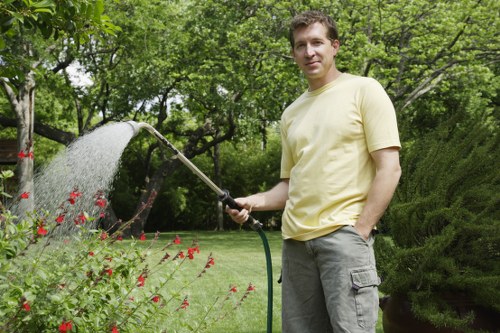
Seasonal changes have a major impact on lawn care in Crossness. Grass grows at different rates throughout the year, and each season brings different challenges. A lawn that is healthy in May may struggle in August or need a different strategy in October. Understanding these shifts helps keep the lawn in better shape all year round.
Spring is usually the time to repair winter damage, clear debris, and encourage fresh growth. Spring lawn care in Crossness often includes feeding, light scarifying, and overseeding thin areas. This is also a good time to improve soil condition and establish a healthy mowing routine.
Summer requires careful watering and mowing. During dry spells, the lawn may need deeper watering rather than frequent shallow watering. Longer grass can help protect against heat stress. In summer lawn care in Crossness, the goal is to keep the lawn alive, flexible, and resilient rather than pushing it to grow too quickly.
Autumn is the ideal time for aeration and strengthening the root system. As growth slows, the lawn can be prepared for winter by applying the right feed and removing thatch. Winter, meanwhile, is about protection. Avoiding heavy foot traffic on frozen or waterlogged grass helps prevent damage.
Aeration, Scarifying, and Overseeding Explained
Many lawns in Crossness benefit from more than basic cutting and feeding. Aeration, scarifying, and overseeding are three services that can dramatically improve the appearance and health of a tired lawn. These methods are especially useful where the grass has become thin, flat, or sponge-like underfoot.
Aeration involves creating small holes in the soil to allow air, water, and nutrients to reach the roots more easily. This is especially useful in compacted areas and can make a major difference in lawn care in Crossness. Aeration also helps reduce surface water and can support stronger root development.
Scarifying removes built-up thatch, moss, and surface debris. Thatch is a layer of dead grass and organic material that can prevent water and nutrients from reaching the soil. Scarifying as part of Crossness lawn maintenance helps refresh the surface and create space for new growth. After scarifying, overseeding can be used to fill in bare patches and improve thickness.
Watering the Right Way
Watering is often misunderstood, yet it is a crucial part of lawn care in Crossness. Many lawns suffer not because they are never watered, but because they are watered in the wrong way. Frequent shallow watering encourages roots to stay near the surface, which makes the lawn more vulnerable to heat and drought. Deep watering, done less often, usually creates stronger and more resilient grass.
The best watering routine depends on weather conditions, soil type, and the age of the lawn. Newly seeded areas need more consistent moisture, while established lawns can usually cope with less frequent watering. Smart lawn care in Crossness means adapting to the weather instead of following a fixed schedule regardless of rainfall.
Morning is usually the best time to water because it allows moisture to soak in before the heat of the day. Evening watering can leave grass damp overnight, which may encourage disease in certain conditions. If a hosepipe ban or dry spell occurs, prioritising survival and recovery is often better than trying to keep the lawn perfectly green.
How to Improve Patchy or Thin Lawns
Patchy grass is a common concern in lawn care in Crossness, especially in areas with heavy use, pet activity, poor soil, or limited sunlight. Thin lawns often look uneven and allow weeds to spread more easily. The good news is that many patchy lawns can be improved with the right approach.
First, it helps to identify the cause. Is the area shaded? Is the soil compacted? Is the lawn being worn down by regular foot traffic? Once the issue is understood, repairs become more effective. Crossness lawn repair may involve aeration, reseeding, topdressing, and more careful mowing. If the soil is poor, adding a suitable top layer can support better root growth.
For bare patches, overseeding is often the most practical solution. The new seed should be kept moist until it germinates and becomes established. In some areas, more hardwearing grass seed may be useful if the lawn is regularly used by children, pets, or visitors. Patience and consistency are key when restoring a lawn.
Benefits of Professional Lawn Care in Crossness

While many homeowners enjoy looking after their gardens, professional lawn care in Crossness offers clear advantages, especially for people with limited time, large outdoor areas, or recurring lawn problems. A professional service brings experience, proper tools, and a tailored plan based on the condition of the grass and soil.
Professionals can spot issues early, before they turn into bigger problems. For example, a lawn may appear green at first glance but still be suffering from hidden compaction, thatch buildup, or disease pressure. Expert lawn maintenance in Crossness often focuses on prevention as much as treatment, which can save time and reduce long-term repair costs.
A professional approach can also improve consistency. Instead of mowing randomly or feeding at the wrong time, the lawn receives care that matches seasonal conditions and growth patterns. That consistency often leads to a better-looking lawn with less effort from the homeowner.
What to Look for in a Lawn Care Service
If you are considering help with lawn care in Crossness, it is sensible to choose a service that understands local conditions and offers flexible options. Not every lawn needs the same treatment, so a one-size-fits-all approach rarely works well. The best providers usually begin with an assessment and then build a plan around the garden’s needs.
Look for services that include regular mowing, feeding, weed treatment, aeration, and seasonal care. It is also useful if the provider can handle both routine upkeep and more targeted improvements such as overseeding or moss control. Reliable Crossness lawn care should feel practical, responsive, and tailored to the property.
Clear communication matters too. Even without needing complicated explanations, you should understand what is being done and why. A well-managed lawn care plan is easier to maintain when the tasks are explained in simple, honest terms.
Practical Tips for Homeowners Between Visits
Even if you use a professional service, there are several small things you can do between visits to support lawn care in Crossness. These simple steps help preserve the results and prevent new problems from developing.
- Keep mowing regular, but avoid cutting the grass too short.
- Remove leaves and debris so light can reach the grass.
- Watch for signs of moss, weeds, or thinning areas.
- Avoid walking on waterlogged or frozen grass.
- Water deeply during dry periods rather than lightly every day.
- Use sharp mower blades for a cleaner finish.
These basic habits support stronger turf and reduce the stress placed on the lawn. Good lawn care in Crossness is often the result of small, steady actions rather than dramatic changes.
Creating a Lawn That Works for Everyday Life
A beautiful lawn is nice to look at, but it should also suit how the space is actually used. Families may need a durable surface for children, pets, or outdoor gatherings. Others may want a tidy front lawn that improves kerb appeal without demanding constant attention. Lawn care in Crossness should reflect these practical needs as well as visual goals.
For high-traffic gardens, hardwearing grass mixes, regular aeration, and light but frequent maintenance can help the turf stand up to wear. For decorative lawns, the emphasis may be more on neat mowing, edging, and even colour. Tailored Crossness lawn maintenance creates better results because it is based on how the space is used, not just how it looks in one season.
Over time, a well-cared-for lawn becomes easier to manage. Healthy grass resists weeds better, bounces back faster after use, and stays attractive for longer. That is why consistent lawn care in Crossness is such a worthwhile investment for homeowners, landlords, and property managers alike.
Why Local Knowledge Improves Results
There is real value in using local knowledge for lawn care in Crossness. A lawn in this area may face different conditions from one in another part of London. Nearby buildings, soil type, drainage patterns, and sun exposure all influence what the grass needs. Knowing how to respond to those conditions can save time and produce better outcomes.
Local experience also helps with timing. Feeding too early, mowing too aggressively, or leaving moss treatment too late can all affect the lawn’s condition. Crossness lawn care works best when it is shaped by the environment, the weather, and the lawn’s current condition, not by a fixed formula.
That local understanding can make all the difference between a lawn that merely survives and one that looks consistently healthy. If your outdoor area matters to you, it pays to choose a care approach that is realistic, seasonal, and suited to the property.
Final Thoughts on Lawn Care in Crossness
Keeping a lawn healthy takes more than occasional attention. It requires a steady routine, an awareness of seasonal changes, and the ability to respond to common issues such as weeds, moss, patchiness, and soil compaction. Lawn care in Crossness is most successful when it combines practical maintenance with local understanding.
From mowing and feeding to aeration, watering, and overseeding, every step plays a role in the condition of the grass. A lawn that is cared for consistently will usually be greener, thicker, and more resilient. It will also be more enjoyable to use and easier to maintain over time.
If your grass has started to look tired, uneven, or difficult to manage, now is the right time to act. Book your service now and give your outdoor space the attention it deserves. Contact us today to take the next step toward healthier, better-looking lawn care in Crossness.