Hedge Trimming in Crossness: Shaping Healthy, Beautiful Outdoor Spaces
Why Hedge Trimming in Crossness Matters

Hedge trimming in Crossness is more than a quick tidy-up at the edge of a garden. It is a practical part of landscape care that helps hedges stay healthy, dense, attractive, and safe. In a place like Crossness, where residential gardens, shared outdoor spaces, and boundary hedges all play an important role in the appearance of a property, regular hedge maintenance can make a noticeable difference.
Well-maintained hedges create structure, improve privacy, and soften the look of hard surfaces such as fences, driveways, and walls. They also support plant health by encouraging even growth and reducing the risk of disease caused by tangled, congested branches. Whether you have a formal box hedge, a tall conifer boundary, or a mixed native hedge, consistent hedge trimming in Crossness helps keep everything under control.
For many property owners, hedge trimming in Crossness is also about convenience. Overgrown hedges can block light, encroach onto pavements, obscure driveways, and create a neglected impression. By keeping growth in check, you protect the character of your outdoor space while also making routine garden care easier throughout the year.
The Benefits of Regular Hedge Trimming
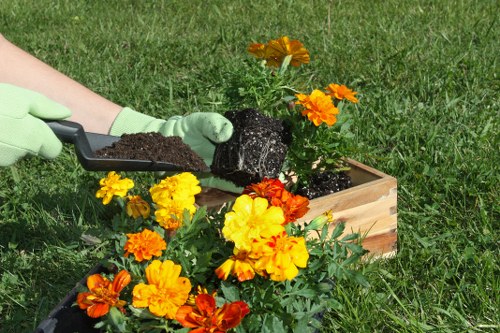
There are many reasons people invest in hedge cutting and hedge shaping in Crossness. Some want to improve the look of their garden, while others need to manage height and width for practical reasons. In both cases, the benefits go beyond appearance.
Regular hedge trimming helps maintain a consistent shape, which is especially important for formal gardens and boundary hedges. It can also encourage thicker growth near the base, reducing the chance of gaps forming lower down. This is particularly useful for privacy hedges, where dense coverage is often the goal.
Health is another major benefit. Trimming removes dead, damaged, or crossing branches that may otherwise limit airflow and sunlight. Better airflow can reduce the risk of fungal issues, while controlled growth can help the hedge use its energy more efficiently. In other words, a well-trimmed hedge is often a healthier hedge.
Some of the most common advantages of hedge trimming in Crossness include:
- Improved curb appeal and garden presentation
- Better light penetration into the garden
- More privacy and cleaner boundary lines
- Reduced risk of overgrowth onto paths and roads
- Healthier, denser foliage over time
Common Hedge Types in Crossness Gardens
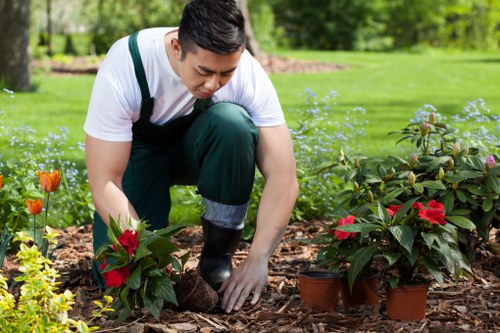
Hedge trimming in Crossness may involve a wide range of hedge species, and each one requires a slightly different approach. A hedge that looks great after one style of cut may respond poorly to another, so understanding the plant type is key to achieving strong results.
Evergreen hedges are popular because they provide year-round coverage. Laurel, privet, yew, and leylandii are common choices where privacy and screening matter. These hedges often need trimming more than once a year because they can grow quickly, especially in mild weather.
Deciduous hedges, such as beech, hornbeam, or hawthorn, are also widely used. They often require a slightly different trimming schedule, and some homeowners prefer to leave them a little looser for a more natural look. Knowing when and how to trim each hedge type is essential for long-term success.
Hedge varieties often seen locally
- Privet for formal lines and dense coverage
- Laurel for broad, glossy foliage and privacy
- Yew for elegant shaping and slower growth
- Box for low borders and decorative edging
- Conifers for tall screening and wind protection
When to Schedule Hedge Trimming in Crossness
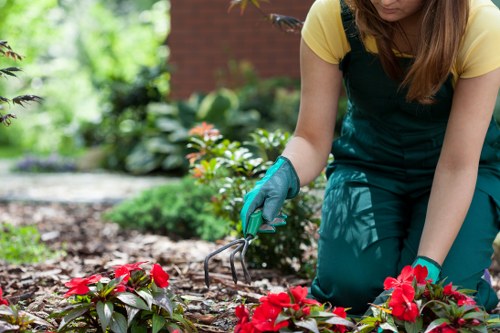
The right time for hedge trimming in Crossness depends on the hedge species, the season, and the desired finish. Timing matters because cutting at the wrong time can reduce flowering, disturb nesting birds, or stress the plant. A careful approach gives better results and helps the hedge recover quickly.
In general, many hedges benefit from one or two trims per year, while fast-growing varieties may need more frequent attention. Late spring and late summer are common periods for hedge cutting, although some species respond best to trimming in a different season. For example, formal hedges may need regular shaping during the growing season, while slower-growing hedges may only need a maintenance trim.
Weather conditions should also be taken into account. Avoid trimming during very hot, dry spells if the hedge is already under stress. Likewise, heavy frost or prolonged wet weather can make cutting less effective. A well-timed hedge trimming service in Crossness protects both the plant and the final result.
Signs your hedge needs attention
It is not always necessary to wait for an annual schedule. Some hedges give clear signals that they need trimming sooner.
- Branches are extending onto walkways or driveways
- The hedge has lost its neat shape
- Lower areas are becoming sparse or patchy
- Light is being blocked from windows or garden areas
- Dead or damaged shoots are visible
Professional Hedge Trimming vs DIY Care
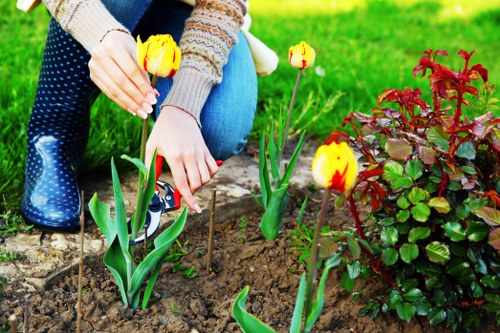
Many property owners consider doing hedge maintenance themselves, and in some cases that can be a sensible choice for small, low hedges. However, professional hedge trimming in Crossness offers distinct advantages, especially where height, thickness, or access become an issue.
Trimming a hedge may appear simple, but achieving a straight, balanced result often requires experience, sharp tools, and a good eye for proportion. Uneven cuts can leave the hedge looking patchy or cause long-term structural problems. A skilled hedge trimmer can shape the hedge evenly while also spotting signs of pest damage, disease, or dead wood.
Professional hedge maintenance also matters for safety. Tall hedges, large conifers, and hedges near roads or boundary lines can be risky to trim without the right equipment. Ladders, hedge trimmers, and working at height all create hazards if not handled properly. Booking expert hedge trimming in Crossness helps reduce that risk and saves time as well.
When a professional service is usually the better option
- The hedge is tall or wide
- The hedge borders a public pavement or road
- You want a precise, formal finish
- The hedge is heavily overgrown
- Access is awkward or limited
How Hedge Trimming Improves Garden Health
Growth, airflow, and structure
Good hedge trimming in Crossness is not just about cutting back unwanted growth. It is also about guiding the hedge toward a stronger structure. By trimming at the right points, you can encourage new growth in the right places and prevent the hedge from becoming thin at the base or too heavy at the top.
One of the biggest health benefits is improved airflow. Dense, untidy hedges can trap moisture and create conditions where mould, mildew, or fungal problems are more likely. A more open, well-shaped hedge allows air to move through the branches more freely, which supports healthier foliage overall.
Another advantage is better light distribution. Trimming can help sunlight reach deeper into the hedge, encouraging growth on inner branches and reducing the chance of bare patches. This is especially useful for hedge trimming in Crossness where mixed weather and urban conditions may already affect plant performance.
Health-focused trimming can also:
- Remove diseased or damaged sections early
- Prevent branches from rubbing and causing wounds
- Support even leaf growth
- Reduce the chance of hedge collapse in strong winds
- Help younger hedges establish shape more effectively
Hedge Trimming for Safety and Boundaries
In Crossness, hedges often serve as more than decorative features. They define property edges, provide screening, and sometimes help direct movement through a garden. When hedges become overgrown, they can begin to affect safety and access. This is why regular hedge cutting is so important.
A hedge that grows too far onto a footpath can force pedestrians into the road or create visibility issues near driveways and corners. Overhanging branches may also block natural light or interfere with gates, windows, and service access. Keeping the hedge trimmed creates a cleaner, safer environment for everyone using the space.
For homeowners, landlords, and managing agents, hedge trimming in Crossness can also help reduce complaints and maintain good neighbour relations. A tidy boundary presents a more cared-for appearance and prevents the hedge from becoming a nuisance to adjoining properties. In practical terms, regular trimming helps everyone benefit from the same outdoor space more comfortably.
Practical boundary advantages
- Clearer property definition
- Better visibility at entrances and exits
- Less obstruction of paths and gates
- Improved access for maintenance
- A more polished overall landscape
What to Expect from a Hedge Trimming Service in Crossness
A good hedge trimming service usually begins with an assessment of the hedge’s condition, size, and shape. This helps determine how much material should be removed and whether the hedge needs simple tidying or more corrective work. The goal is always to leave the hedge neat, balanced, and healthy-looking.
During hedge trimming in Crossness, professionals typically use appropriate tools for the hedge type and size. Smaller hedges may be handled with hand tools or lightweight trimmers, while larger or thicker hedges may require more robust equipment. The work often includes shaping the sides, leveling the top, removing stray growth, and clearing away cuttings.
Good aftercare is just as important as the trimming itself. A hedge may need watering during dry periods, especially if it has been cut hard back or is newly planted. Mulch, occasional feeding, and monitoring for stress can also help the hedge recover. A well-managed hedge responds better to future trims and stays attractive for longer.
Typical service steps
- Inspect the hedge and identify growth issues
- Agree the desired shape and height
- Carry out careful trimming and shaping
- Remove waste and tidy the surrounding area
- Check the finish and make small refinements
Seasonal Considerations for Crossness Gardens
Seasonal changes affect hedge trimming in Crossness more than many people expect. Growth rates shift throughout the year, and the same hedge may need different levels of attention depending on the month. Spring growth can be vigorous, while summer heat may slow down recovery. Autumn can be a useful time for tidying, but it is also important to think about wildlife and weather.
Bird nesting is a key consideration, particularly in the main nesting season. Before trimming any hedge, it is wise to check for active nests or signs of wildlife. This is not only a responsible practice but also an important part of lawful and considerate garden care. A careful hedge trimmer will always take this into account before starting work.
In winter, hedge trimming may be limited by frost, rain, or dormant growth. Some hedges benefit from a light winter tidy, while others are better left until conditions improve. For the best results, hedge trimming in Crossness should always be matched to the season and the plant’s natural cycle.
Seasonal tips to remember
- Check for nesting birds before cutting
- Avoid trimming in extreme weather
- Adjust timing based on hedge species
- Give newly planted hedges time to establish
- Keep an eye on rapid growth during mild periods
Choosing the Right Finish for Your Hedge
Not every hedge should look the same. Some are best kept sharply formal, while others suit a softer, natural style. When planning hedge trimming in Crossness, it helps to decide what role the hedge plays in the garden. Is it a strict boundary line, a decorative feature, or a privacy screen? The answer influences the shape, height, and frequency of trimming.
Formal hedges generally need clean, crisp lines and evenly squared faces. This is common for front gardens, entrance borders, and classic landscape designs. A more natural hedge might be allowed to follow a gentler outline, especially if it supports birds, pollinators, or a wildlife-friendly garden design. Both approaches can work well when maintained consistently.
The best results often come from aiming for a shape that suits the hedge’s natural habit. For example, many hedges do better when the top is slightly narrower than the base, allowing light to reach the lower branches. This simple technique can dramatically improve hedge density and long-term appearance.
Popular hedge shapes
- Straight and formal for crisp, structured gardens
- Rounded for softer visual appeal
- Stepped or tiered for mixed-height landscaping
- Naturalistic for wildlife-friendly spaces
Maintaining Results After Trimming
Once hedge trimming in Crossness has been completed, the next step is keeping the hedge in good condition until the next cut. Regular observation helps you spot problems early, before they become major issues. If fast growth begins to return, light maintenance may be enough to preserve the shape without needing a heavy trim.
Watering can be important during prolonged dry weather, especially for younger hedges. Established hedges usually need less attention, but they still benefit from occasional monitoring. Look out for pest activity, browning leaves, broken stems, or areas where growth is weaker than the rest of the hedge.
Consistent care gives the best long-term results. A hedge that is trimmed regularly does not need to be cut back dramatically each time, which helps preserve its structure and reduces stress on the plant. This is one of the biggest reasons why routine hedge maintenance is so effective in Crossness gardens.
Simple ways to keep hedges looking better for longer
- Inspect growth every few weeks during active seasons
- Remove small dead twigs before they spread
- Keep the base clear of weeds and debris
- Use mulch to support moisture retention
- Schedule trims before the hedge becomes overgrown
Why Hedge Trimming in Crossness Supports Better Outdoor Living
A neat hedge does more than improve a boundary. It changes the whole feel of a garden. It can make an outdoor area seem brighter, larger, and more inviting. In Crossness, where homes often benefit from well-kept green spaces that provide privacy and visual balance, hedge trimming plays a valuable role in everyday outdoor living.
Families often appreciate hedges that are tidy and manageable because they create secure boundaries without feeling harsh. Gardeners value them because they add structure and seasonal interest. Property owners value them because a maintained hedge gives the impression of care and attention. All of these reasons make hedge trimming in Crossness a worthwhile part of regular garden upkeep.
If your hedge has started to look unruly, block light, or spread beyond its space, now is the ideal time to act. A timely trim can restore order quickly and prevent more difficult work later. Contact us today to arrange hedge trimming in Crossness and keep your outdoor space looking its best. If you are ready to improve shape, health, and safety, book your service now and enjoy a cleaner, more polished garden.