Health and Safety Policy for Gardeners Crossness
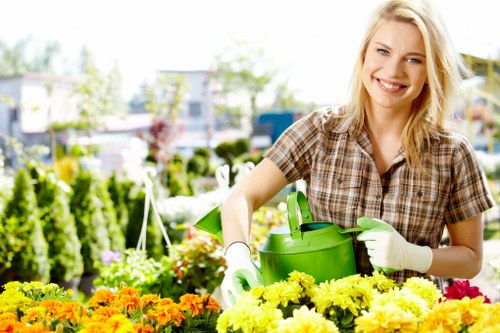 Gardeners Crossness is committed to maintaining a safe, healthy, and well-managed working environment for every person involved in our gardening activities. This health and safety policy sets out the principles we follow to reduce risk, protect wellbeing, and ensure that all garden work is carried out responsibly. Whether tasks involve lawn care, planting, pruning, hedge maintenance, or seasonal clean-ups, our approach is built on prevention, awareness, and consistent safe working practices.
Our policy applies to all gardening operations carried out by the team, including use of tools, handling of materials, movement around outdoor work areas, and interaction with customers, visitors, and other contractors. We recognise that gardening involves physical work and exposure to changing conditions, so we take a practical and careful approach to planning each task. The aim is to prevent accidents, reduce strain, and support a safe and respectful workplace at all times.
 We are also committed to meeting our legal duties by identifying hazards, assessing risks, and taking suitable control measures. This includes checking equipment before use, selecting appropriate protective clothing, and ensuring staff understand how to work safely with sharp tools, powered machinery, and manual handling tasks. A strong safety culture is not optional; it is part of the standard expected in every job we complete.
All Gardeners Crossness team members are expected to work in a way that protects themselves and others. This means following instructions, using tools only for their intended purpose, reporting defects immediately, and stopping work if conditions become unsafe. We encourage open communication so that concerns can be raised early and resolved quickly. Safe practice is supported by supervision, routine checks, and ongoing attention to changing site conditions.
Risk assessments are carried out before work begins and reviewed whenever the nature of the work changes. Common risks include slips, trips, falls, cuts, strains, contact with moving parts, flying debris, noise, dust, and weather-related hazards. In each case, we aim to reduce risk through suitable planning, safe working distances, proper housekeeping, and the use of appropriate controls. This may involve isolating work areas, clearing debris, using guarded machinery, or pausing work during severe weather.
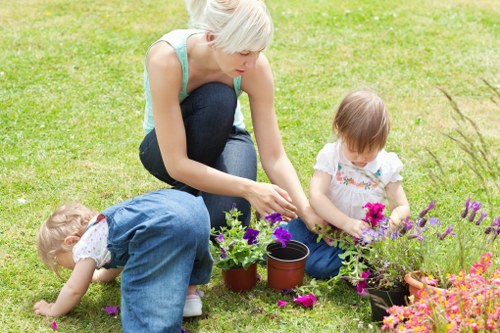 Personal protective equipment, or PPE, is used where necessary to reduce exposure to harm. Depending on the task, this may include gloves, protective footwear, eye protection, hearing protection, or weather-appropriate clothing. PPE is not a replacement for safe methods, but it forms an important part of our overall safety policy. Equipment must be kept clean, inspected regularly, and replaced when damaged or no longer suitable for use.
Manual handling is a significant part of gardening work, so we take steps to avoid unnecessary lifting, carrying, pushing, or pulling. Team members are expected to assess loads before moving them, use good posture, seek assistance when items are heavy or awkward, and use mechanical aids whenever possible. By planning lifting tasks carefully, we reduce the likelihood of musculoskeletal injuries and fatigue.
Tools and machinery must be maintained in safe working condition. Blades, cables, guards, handles, and fuel systems should be checked before use, and any faulty equipment must be removed from service immediately. Only trained and authorised personnel may operate powered tools or machinery. Safe storage is equally important, and all equipment should be returned securely after use to prevent damage, loss, or accidental injury.
When work is carried out near roads, footpaths, or shared access areas, extra care is taken to protect workers and the public. Clear signage, sensible positioning of tools and materials, and good site awareness help prevent unnecessary risk. We also take account of environmental factors such as wet surfaces, uneven ground, heat, cold, and low light. These conditions can make gardening tasks more hazardous, so work is adjusted as needed.
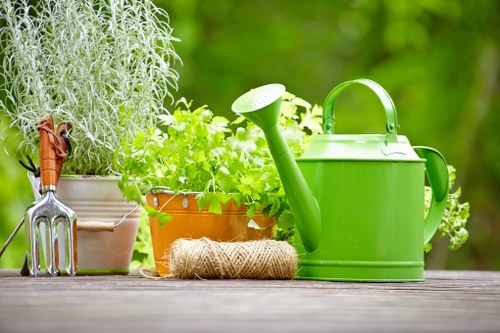 Training, instruction, and supervision are important parts of our gardening health and safety approach. Workers must understand how to use equipment safely, how to recognise hazards, and how to respond appropriately in an emergency. New starters and less experienced workers receive suitable support until they are confident and competent in their duties. Refresher awareness is provided when procedures change or new equipment is introduced.
First aid provision is maintained so that minor injuries can be dealt with promptly and more serious incidents can be escalated without delay. Accidents, near misses, and unsafe conditions must be reported as soon as possible so that lessons can be learned and improvements made. Incident reporting is not about blame; it is a way to improve systems and help prevent recurrence. A transparent reporting process strengthens safety across the whole team.
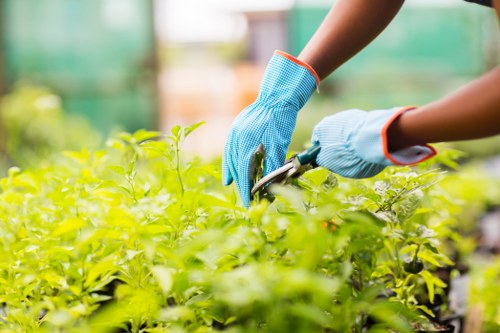 This policy is reviewed regularly to ensure it remains effective, current, and suitable for the work we do. Changes in equipment, methods, legislation, or working conditions may require updates to procedures and controls. By keeping our standards clear and consistent, Gardeners Crossness supports a safer environment for workers, clients, and the wider public. Our commitment is simple: to carry out every gardening task with care, responsibility, and respect for health and safety.