Gardeners Crossness Recycling and Sustainability
 Gardeners Crossness is committed to practical, responsible waste management that supports a cleaner local environment and a lower-carbon future. Our approach to recycling in Crossness is built around sorting materials carefully, reducing unnecessary disposal, and making sure reusable items are directed away from landfill wherever possible. We work with a clear recycling percentage target in mind, aiming to divert at least 90% of suitable green waste and recyclable materials through recovery, reuse, or specialist processing routes. This target helps us keep operations efficient while supporting wider sustainability goals across the area.
In a locality shaped by mixed residential streets, estates, and busy access routes, waste separation matters. Different boroughs and local waste teams across the wider south-east London area often use distinct systems for sorting paper, plastics, metals, garden waste, and bulky items, and Gardeners Crossness aligns its service to respect those local expectations. By separating materials at source, we reduce contamination and improve the quality of recyclables that enter the next stage of processing. Our Crossness recycling services are designed to complement, not complicate, borough-level waste systems.
We also recognise the importance of local transfer stations. These facilities are a vital link in the chain, helping to consolidate and route sorted materials efficiently to approved recovery centres, composting facilities, and recycling processors. Gardeners Crossness recycling operations use transfer stations to reduce unnecessary journeys and keep waste moving in the most practical direction. This means green waste, soil, wood, cardboard, and mixed recyclables can be handled in a more controlled, environmentally conscious way.
 A sustainable waste strategy is not only about what is collected, but how it is moved. That is why Gardeners Crossness invests in low-carbon vans and more efficient vehicles for daily operations. These vans are selected to help reduce fuel use and lower emissions during local collections, site visits, and transfer runs. In an area where many jobs involve repeated access through urban streets and managed estates, better vehicle efficiency makes a meaningful difference. Our recycling and sustainability approach therefore includes both material recovery and transport emissions reduction.
We also partner with charities and community-focused organisations to extend the life of reusable items. When suitable furniture, tools, garden accessories, and other usable materials are identified, we prioritise donation routes that support local good causes. These partnerships help keep useful goods in circulation and reduce the volume of waste sent to processing. For sustainable recycling in Gardeners Crossness, this reuse-first mindset is essential: the best waste is the waste that never needs to be processed as waste in the first place.
Where possible, our teams separate items that can be repurposed from those that must be broken down for recycling. That can include metal components, untreated timber, clean cardboard, and certain plastics depending on condition and contamination levels. Some boroughs in the region focus strongly on source separation, and we support that by making sure recyclable streams remain as clean as possible. In practice, this helps maximise recovery rates and supports the wider circular economy.
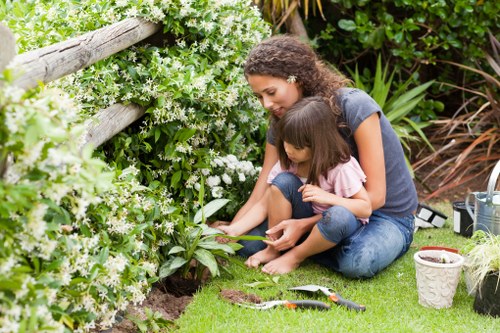 Gardeners Crossness also places strong emphasis on green waste recovery. Branch cuttings, hedge trimmings, leaves, and grass clippings can often be directed toward composting or biomass pathways, depending on local processing capacity. This is especially relevant for gardens, communal outdoor spaces, and landscaping projects where large quantities of organic material can accumulate. Through careful sorting and routing, Crossness recycling becomes part of a broader effort to return organic matter back into productive use rather than disposing of it as general waste.
The same principle applies to mixed waste produced during clearance and maintenance work. We aim to identify recyclable content early, separate it efficiently, and send it to the right facility. This reduces reliance on landfill and supports better environmental performance across all operations. Our recycling percentage target provides a clear benchmark for continuous improvement and keeps sustainability measurable rather than vague.
Local transfer stations remain central to that process because they allow different waste streams to be sorted, compacted, and redirected with less wasteful handling. This is especially useful in boroughs where collection schedules, permitted materials, and local segregation rules vary. By working within that framework, Gardeners Crossness sustainability practices stay responsive to local needs while remaining focused on high recovery rates.
We also pay attention to the full life cycle of materials and equipment used on site. Packaging, worn components, and non-organic residual waste are reviewed for recycling opportunities before disposal is considered. This careful approach helps support a cleaner local environment and reinforces our commitment to responsible operational standards. In addition, the use of low-carbon vans helps reduce the overall footprint of collection and transport work, especially where repeated short journeys are unavoidable.
Our charity partnerships are equally important because they create social value alongside environmental gains. Items that are still safe and serviceable may be passed on for reuse through charitable routes, helping families, local projects, and community organisations benefit from materials that would otherwise be discarded. This is one of the most practical ways to make Gardeners Crossness recycling genuinely sustainable: extend useful life first, recycle second, and dispose only when needed.
 In areas where borough waste separation rules encourage residents to keep food waste, garden waste, dry recyclables, and general rubbish distinct, our services mirror that structure as closely as possible. That familiarity makes recycling more effective and reduces the chance of contamination. By matching local expectations and using approved transfer stations, we help ensure that recyclable loads are handled in the most suitable way for the destination facility.
 Looking ahead, Gardeners Crossness will continue refining its recycling processes, strengthening charity partnerships, and investing in lower-emission transport. The goal is simple: keep raising the proportion of recovered materials, reduce environmental impact, and support the boroughs we serve with a dependable, responsible waste solution. Through practical planning and a consistent focus on reuse and recovery, our recycling and sustainability work remains firmly aligned with local environmental priorities.