Thamesmead Southmere gardeners top planting tips for patios
If your patio in Thamesmead Southmere feels more like a hard slab of paving than a place you actually want to sit, plant, or relax, you are not alone. The good news? A patio can be transformed with the right planting choices, and the difference is often bigger than people expect. These Thamesmead Southmere gardeners top planting tips for patios are built around real-life UK conditions: wind, shade, shallow containers, and the everyday need for something attractive that does not become a weekend chore.
In practice, patio planting is about more than picking a few nice pots. It is about choosing plants that suit the microclimate, the amount of light, how exposed the space feels, and how much time you want to spend watering. Get that balance right and the patio starts to feel layered, comfortable, and alive. A little messy in the best possible way, too.
This guide walks through the essentials: why patio planting matters, how it works, what to plant, what to avoid, and how to keep everything looking good through the seasons. If you want something low-maintenance, wildlife-friendly, family-friendly, or just a bit more elegant, there is a way to do it without turning the space into a full-time job.
- Why patio planting matters in Thamesmead Southmere
- How patio planting works
- Key benefits and practical advantages
- Who this is for and when it makes sense
- Step-by-step guidance
- Expert tips for better results
- Common mistakes to avoid
- Tools, resources and recommendations
- Law, compliance, standards, or best practice
- Options, methods, and comparison table
- Case study or real-world example
- Practical checklist
- Conclusion
- Frequently asked questions
Why Thamesmead Southmere gardeners top planting tips for patios Matters
Patios look clean and simple on their own, but they can also feel flat, echoey, and a bit unforgiving. Add the right planting, though, and the whole space changes. You get texture, colour, scent, movement, and a softer edge that makes the area feel like part of the home rather than a leftover hardscape.
That matters especially in Southmere, where many patios face a few recurring challenges: exposure to wind, pockets of shade from nearby structures, patchy sunlight, and surfaces that heat up quickly in summer. A plant that looks wonderful in a sheltered courtyard can sulk badly on an exposed patio. Truth be told, that is where many people go wrong. They choose for looks first, conditions second.
Top planting tips are not about making things complicated. They are about avoiding the usual frustrations: plants drying out too fast, containers blowing over, soil becoming exhausted, or the whole setup looking overcrowded by August. If you want a patio that still looks good after a hot spell, a wet week, and one rather breezy Sunday, the planting strategy has to be deliberate.
There is also a practical side. Well-planted patios can help divide zones, screen awkward views, and make smaller spaces feel more considered. If you already have outdoor seating, a barbecue corner, or a compact dining area, planting helps define those areas without making the patio feel boxed in. Small change, big effect.
How Thamesmead Southmere gardeners top planting tips for patios Works
Patio planting works best when you treat the space as its own growing environment. That sounds obvious, but it is easy to forget. A patio is not the same as a border in open soil. Containers dry faster, roots have less room, and heat reflects off paving. On the other hand, pots let you control compost, drainage, placement, and seasonal changes much more easily.
The basic formula is simple:
- Assess light and exposure. Watch where sun falls during the day. Morning light, afternoon heat, and wind all affect what will thrive.
- Choose the right container. Larger pots dry out more slowly and give roots room. Drainage holes are non-negotiable.
- Select plants for the conditions. Shade-loving foliage plants, drought-tolerant herbs, compact shrubs, and trailing plants each serve a different role.
- Use quality compost and mulching. Patios are unforgiving if the soil is poor. Good growing media gives plants a proper start.
- Layer the planting. Mix height, shape, and leaf texture so the display feels full without becoming cluttered.
- Maintain lightly but consistently. Watering, feeding, deadheading, and rotation keep patio planting looking intentional instead of tired.
That is really the engine of it. Not magic. Just matching plant behaviour to the conditions you actually have. And once you do that, the patio starts to behave itself. Mostly.
For readers who want to go a step further with structure and layout, it can help to think about how planting sits alongside hard landscaping elements such as seating, screening, or deck transitions. If the patio needs a wider refresh, landscaping support can make the planting plan much easier to execute cleanly.
Key Benefits and Practical Advantages
Good patio planting gives you more than decoration. It improves how the space feels and how you use it day to day. Here are the benefits that matter most in practical terms.
- Softens hard surfaces: Plants break up paving and concrete, making the patio feel calmer and less stark.
- Adds privacy and enclosure: Tall containers, evergreen structure, and climbing plants can reduce overlooked sightlines.
- Creates seasonal interest: You can build a patio that changes through the year instead of looking the same every month.
- Improves usability: A planted patio feels more inviting, which means people actually use it. A very underrated win.
- Supports low-maintenance design: With the right plant palette, you can keep upkeep sensible.
- Helps define zones: Planting can separate dining, relaxing, and storage areas without needing extra walls.
There is also an emotional benefit that people do not always mention. A patio with living planting feels less like an outdoor add-on and more like a proper retreat. You notice the movement of grasses in the breeze, the scent of herbs near the door, the way evergreen leaves still look steady on a grey morning. That sort of atmosphere is hard to fake.
If you are trying to keep things manageable as well as attractive, pairing planting choices with broader low-maintenance garden ideas can save a lot of time over a full season.
Who This Is For and When It Makes Sense
Patio planting is for anyone who wants their outdoor space to work a little harder. That includes first-time gardeners, busy households, renters with container space, and experienced gardeners who want a sharper finish. It also makes sense if your patio feels underused or too exposed to look inviting without some structure.
Here are a few typical situations where a planting plan makes a real difference:
- Small patios: When every square metre counts, vertical planting and layered containers do the heavy lifting.
- Family patios: You may want robust, non-fussy plants that tolerate movement, games, and the occasional flying ball.
- Pet-friendly gardens: Some plants are more suitable than others if dogs or cats spend time outside. That needs checking carefully.
- Shady patios: North- or east-facing spaces need different plant choices from bright, sunny ones.
- Windy patios: Exposed areas need heavier pots, sturdier stems, and careful placement.
If the patio is part of a wider garden reset, it may be worth pairing planting with other repairs or renewal work. For example, if the whole outdoor area feels tired, this guide to neglected garden renewal can help you think through the bigger picture before buying a single plant.
And if your main goal is privacy rather than pure decoration, planting can play a useful supporting role alongside screening. In some gardens, a carefully placed container arrangement does more than a flimsy divider ever could.
Step-by-Step Guidance
Below is a practical way to plan a patio planting scheme without overcomplicating it. This is the sort of process that saves people from impulsive plant-buying in the middle of spring. Happens more than you'd think.
1. Start with the patio conditions
Stand in the space at different times of day. Notice where the sun lands, where puddles linger after rain, and whether a corner feels warmer or colder than the rest. On exposed patios, even a few extra metres of wind can change what survives.
2. Decide the main purpose of the planting
Ask yourself what the plants need to do. Do you want colour, privacy, scent, herbs for cooking, wildlife value, or a relaxing backdrop for seating? The purpose should shape the plant list. If everything is chosen at random, the result usually feels a bit muddled.
3. Choose a planting structure
A balanced patio scheme usually includes three layers:
- Structure: evergreen shrubs, clipped forms, or taller pots that anchor the space
- Mid-layer: flowering perennials, herbs, or ornamental foliage
- Trailing or edge plants: plants that soften container rims and nearby hard edges
This layering keeps the patio interesting even when one group of plants is between flushes of growth. It also stops everything from looking like a row of lonely pots.
4. Match plants to the microclimate
Sun-loving plants such as lavender or rosemary need far more light than many people realise. In shadier corners, foliage plants and shade-tolerant perennials will usually perform better. If your patio gets fierce midday sun bouncing off walls or paving, choose plants that can handle drying conditions and use bigger pots to slow water loss.
5. Upgrade the containers
In patio planting, the container matters almost as much as the plant. A pot that is too small will dry out too fast and root-bound plants become stressed quickly. Heavier containers are also useful in windy spots because they are less likely to topple. Fibreglass, terracotta, and quality resin pots each have pros and cons, but the main thing is stability and drainage.
6. Use good compost and a sensible watering routine
Container compost should be fresh, free-draining, and suited to the plants you have chosen. Once planted, water deeply rather than giving tiny daily sips. That encourages roots to grow properly. During warm periods, patio pots may need checking every day. It is a bit of a nuisance, yes, but it is the difference between healthy growth and a crispy, disappointing display.
7. Finish with detail
Add gravel mulch, decorative top dressing, small lights, or a few carefully chosen accessories. The trick is restraint. Too many extras and the patio starts looking staged. Just enough detail, though, and it feels finished.
Expert Tips for Better Results
These are the practical tips that make patio planting look sharper and last longer. Not flashy. Just effective.
- Use repetition for calm: Repeating one or two plant types across the patio creates rhythm and avoids visual noise.
- Pick evergreen anchors: Even if you love flowers, add some evergreen structure so the patio does not collapse in winter.
- Choose scented plants near seating: A pot of herbs or fragrant flowering plants near a bench or table makes the space feel more immersive.
- Group pots in odd numbers: Three or five containers usually look more natural than two neat pairs.
- Lift some pots off the ground: Pot feet improve drainage and stop staining, which is especially useful on pale paving.
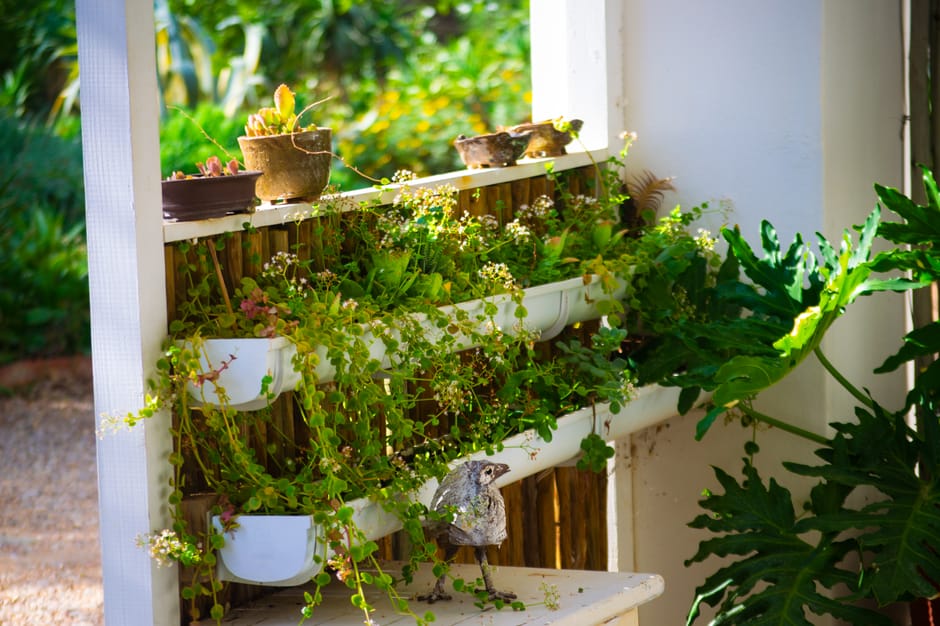
- Think vertically: Wall-mounted planting, trellises, or slim climbers can add height without taking floor space.
One small but valuable trick: place your most delicate containers somewhere they are visible from inside the house. If you can admire them from the kitchen window on a drizzly Tuesday, you will enjoy them far more. That is the sort of thing that keeps a garden feeling loved rather than merely arranged.
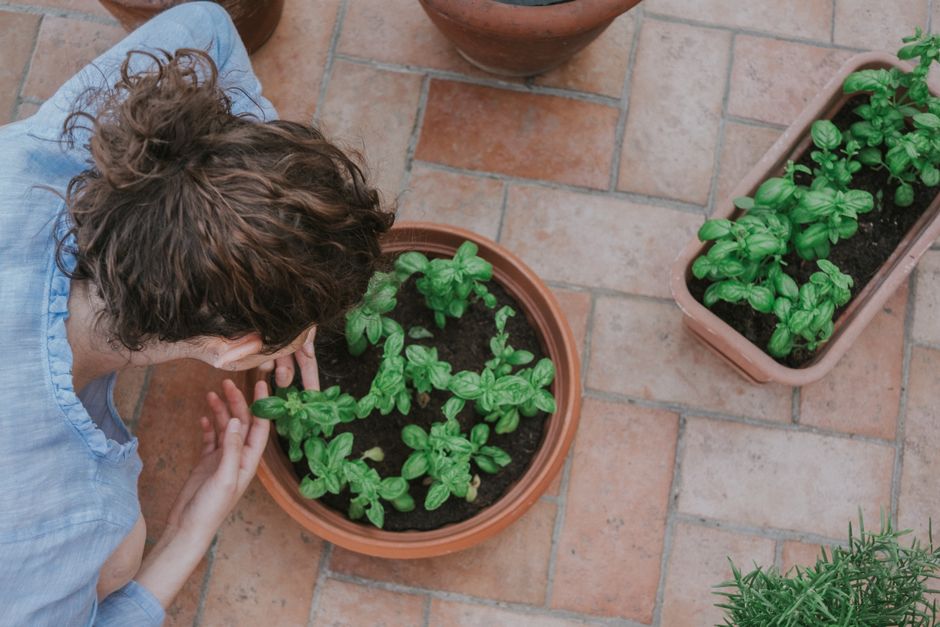
For gardeners who like edible planting, a small herb section can work beautifully on a patio, especially in a sunny, sheltered corner. There is something satisfying about stepping out for mint or thyme with a mug in hand. If that appeals, take a look at starting a flourishing herb garden for more planting inspiration.
And if you want to improve the green backdrop beyond pots, the article on ground cover plants can help soften edges around adjacent beds or paths.
Common Mistakes to Avoid
Even experienced gardeners make these errors. Patios are small enough that one bad choice stands out quickly, so it pays to be careful.
- Choosing plants for looks alone: A plant that thrives in a sunny border may not survive on a windy patio.
- Using tiny pots for large-rooted plants: This leads to stress, fast drying, and weak growth.
- Overcrowding containers: It looks full for about two weeks, then becomes a fight for light and moisture.
- Ignoring drainage: Soggy roots are a common reason patio plants fail.
- Forgetting winter structure: A patio can look empty and stark in colder months if everything is seasonal and soft.
- Letting weeds and moss build up: A few neglected pots can undo the whole effect.
Another mistake, and this one is especially common, is assuming containers are "low maintenance" by default. They are easier to control, yes, but they still need a bit of attention. Not constant fussing. Just sensible upkeep. The sort that becomes second nature after a while.
When outdoor areas need a full tidy-up before planting begins, some homeowners prefer to sort the hard surfaces and overgrown sections first. If that sounds familiar, these weed-free zone tactics can be a useful starting point.
Tools, Resources and Recommendations
You do not need a shed full of specialist kit to plant a good patio, but a few reliable tools make life easier. The aim is to work cleanly and avoid unnecessary stress on the plants, your back, or your paving. Because let's face it, dragging heavy compost bags across a patio is nobody's idea of a grand afternoon.
- Secateurs: Useful for deadheading, trimming herbs, and cutting back tired growth.
- Watering can or hose with a gentle rose: Better control matters more than brute force.
- Plant pots and troughs: Choose a mix of sizes so the layout has rhythm and flexibility.
- Quality compost and grit: The growing medium should suit the type of plant and the drainage needs.
- Mulch or top dressing: Helps reduce evaporation and gives containers a tidier finish.
- Plant supports or trellis: Handy for climbers and upright plants in narrow spaces.
For a broader equipment refresher, these outdoor gardening essentials cover the basics worth keeping close at hand. If you are moving towards container-heavy planting, container gardening guidance is especially relevant.
If your patio is part of a bigger project involving seating or a relaxation area, it can also help to review how the planting sits around furniture. The ideas in garden seating and relaxation zones can help you avoid blocking paths or creating cramped corners.
Law, Compliance, Standards, or Best Practice
For patio planting itself, there usually is not a complicated legal framework. Still, good practice matters. If you are working in shared spaces, rented property, or near boundaries, it is worth keeping a few simple expectations in mind.
- Check access and shared areas: Pots should not block communal paths, emergency access routes, or neighbours' use of shared space.
- Respect boundary issues: Tall planting near fences or edges should be positioned thoughtfully so it does not create avoidable disputes.
- Mind weight on balconies or raised structures: Even on patios, large planters can be very heavy once watered.
- Use safe handling practices: Heavy pots, sharp tools, and wet surfaces are a basic slip-and-trip risk.
- Consider pets and children: Some popular ornamental plants may not be the best fit where animals or children roam freely.
Best practice in professional gardening usually comes down to planning, safe movement of materials, proper drainage, and avoiding plants that are not suited to the conditions. If you are hiring help, it is sensible to choose a team that takes safety seriously. Relevant pages such as health and safety information, insurance and safety, and terms and conditions can help set expectations before any work begins.
If you need a better sense of how patio planting fits into regular garden upkeep, garden maintenance support is worth considering, especially if you want the planting to stay neat over time rather than looking good for one weekend only.
Options, Methods, or Comparison Table
Different patio planting approaches suit different goals. Here is a simple comparison to help you choose the right route.
| Method | Best for | Strengths | Watch out for |
|---|---|---|---|
| Container clusters | Small to medium patios | Flexible, easy to move, good for seasonal change | Can dry out quickly and look cluttered if overdone |
| Evergreen structure with accents | Year-round appeal | Reliable form, good winter presence, tidy look | Needs careful sizing so it does not become bulky |
| Herb-led planting | Sunny, usable patios | Practical, fragrant, useful for cooking | Some herbs dislike cold, wet conditions |
| Vertical planting | Very tight spaces | Saves floor space, adds height, helps screening | Needs firm support and more regular watering |
| Mixed decorative and edible planting | Family patios | Combines beauty and usefulness | Requires a bit more planning to keep the balance right |
For many Thamesmead Southmere patios, the best result comes from blending two methods rather than sticking rigidly to one. For instance, evergreen structure plus herb containers works well in a sunny courtyard. A shadier patio may do better with foliage-heavy planting and a few trailing plants to soften the edges.
If your patio connects to decking or fencing, related improvements may be useful too. In that case, decking services and fencing support can help the planting feel properly integrated rather than added as an afterthought.
Case Study or Real-World Example
Here is a realistic example based on a common Thamesmead Southmere setup. A small rear patio had plenty of paving, a fence line, and a sheltered seating corner that still felt oddly bare. The owner wanted privacy, some colour, and something manageable around a busy work schedule.
The solution was simple rather than elaborate:
- One tall evergreen container at the far end to anchor the view
- Two medium pots with mixed foliage and seasonal flowers
- A couple of herbs near the door for scent and everyday use
- Trailing planting at the front to soften the hard edge of the paving
What changed was not just appearance. The patio felt more enclosed, and the seating area suddenly had a purpose. The owner could see the structure from indoors, so the space looked better even when no one was outside. On a grey morning in early spring, that matters more than people think. The garden felt alive before the day had even started.
This kind of result is why patio planting should never be treated as a last-minute add-on. It is usually the detail that makes the whole outdoor area click into place.
Practical Checklist
Use this quick checklist before you plant up a patio. It keeps the project grounded and helps avoid expensive rework later.
- Have I checked how much sun, shade, and wind the patio gets?
- Are my chosen plants suitable for containers and local conditions?
- Do the pots have proper drainage?
- Have I mixed heights, textures, and colours for balance?
- Will the planting still look good in winter?
- Have I allowed enough room for watering and maintenance?
- Are any plants unsuitable for pets or children?
- Do I need support, screening, or wider patio work first?
- Have I used a compost or growing medium that suits the plants?
- Is there an easy watering routine I can stick to?
Quick expert summary: The best patio planting plans are not the most complicated ones. They are the ones matched to the space, kept in proportion, and maintained with a light but steady hand. That is usually the winning formula.
Get a free quote today and see how much you can save.
Conclusion
Patio planting is one of the simplest ways to make an outdoor space feel calmer, greener, and more usable. In Thamesmead Southmere, where weather and space can both be a bit unpredictable, the smartest approach is to plant for the patio you actually have, not the one you wish you had. That means choosing the right containers, the right plants, and the right level of upkeep.
If you take one thing from this guide, let it be this: design for conditions first, style second. When those two line up, the patio stops being a hard surface with pots on it and becomes a proper part of the home. And honestly, that is the lovely bit.
Whether you want a low-maintenance courtyard, a fragrant herb corner, or a more private seating area, the right planting plan can get you there without drama. Slow, practical improvements add up. They really do.
For help planning or refining your outdoor space, a good next step is to look at the wider garden picture and decide what should be planted, screened, or refreshed first. A thoughtful start saves a lot of faffing later.
Frequently Asked Questions
What are the best plants for a Thamesmead Southmere patio?
The best plants depend on light and exposure, but compact evergreens, herbs, shade-tolerant foliage plants, and hardy container-friendly flowers are often strong choices. The key is matching the plant to the patio rather than picking based on looks alone.
How do I stop patio plants drying out so quickly?
Use larger pots, quality compost, mulch the surface, and water deeply rather than little and often. In hot or windy weather, you may need to check containers daily. Smaller pots dry out very fast on paved surfaces.
Can I plant a patio if it only gets a little sun?
Yes, absolutely. Shadier patios can still look excellent with the right mix of foliage plants, soft textures, and a few carefully chosen flowers. You just need to avoid sun-loving species that will struggle in low light.
What makes patio planting low maintenance?
Low-maintenance patio planting usually means using tough plants, larger containers, good compost, and a simple structure that does not need constant reworking. Evergreen anchors help too, because they keep the space looking organised through winter.
Should I use tall plants for privacy on a patio?
Yes, if the patio feels overlooked. Tall containers, evergreen shrubs, and climbers can help screen views without needing a full barrier. Just make sure the plants are proportionate and do not overpower a small space.
How many pots should I put on a patio?
There is no perfect number. Start with a few well-placed containers rather than filling every corner. A small patio often looks better with three to five considered planters than with a large number of scattered pots.
What is the easiest way to make a patio look more expensive?
Use repetition, balanced planting height, and a restrained colour palette. One or two strong container styles, plus healthy evergreen structure and clean edges, usually look more polished than a random mix of lots of small pots.
Can herbs work well on a patio?
Yes, herbs are brilliant for sunny patios because they are practical, fragrant, and easy to enjoy up close. Rosemary, thyme, mint, and chives are common choices, though each one needs the right level of sun and watering.
Do patio plants need winter protection in the UK?
Many do. Pots are more exposed to cold than border plants, so roots can suffer in winter. Moving containers to a sheltered spot, using insulation, or choosing hardy evergreens can make a real difference.
Can patio planting be done as part of a bigger garden makeover?
Definitely. In many gardens, the patio is the place where a refresh is most visible, so it makes sense to combine planting with maintenance, screening, or wider landscaping improvements. That tends to produce a more coherent result.
How do I know if I need professional help?
If the patio needs drainage changes, awkward layout work, or a planting design that has to tie into fencing, decking, or larger garden maintenance, professional help can save time and frustration. It is especially useful if you want the result to look finished, not pieced together.
Where should I start if my patio looks bare and tired?
Start with one area rather than the whole space. Pick a focal corner, add structure, then layer in smaller plants and detail. That gives you a clear win early on and makes the rest of the plan feel manageable instead of overwhelming.