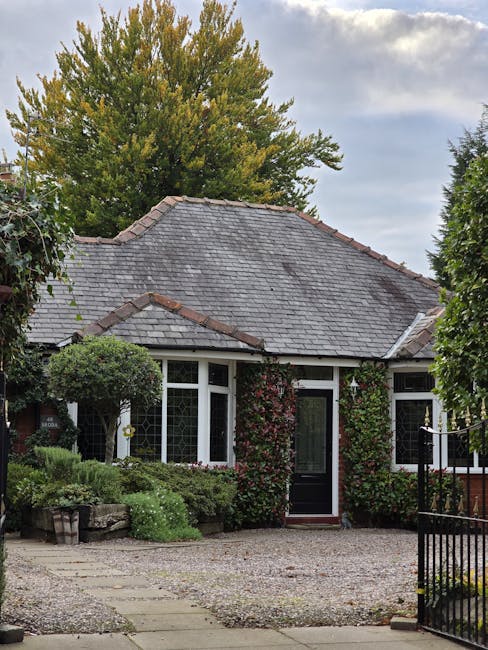
Abbey Wood station gardeners for small front gardens SE2

If you live near Abbey Wood station and your front garden feels more like a narrow afterthought than a proper welcome, you are not alone. Small front gardens in SE2 have to work hard: they need to look tidy from the pavement, stay easy to maintain, and still leave room for bins, path access, planting, and the odd rainy-day muddy footprint. Abbey Wood station gardeners for small front gardens SE2 are often called in for exactly that balancing act. The job is not about packing in as much as possible. It is about making every square metre pull its weight, without turning the space into a fussy little puzzle.
In this guide, you will find a practical, local-minded approach to designing, planting, and maintaining a compact front garden that looks good all year and does not become a chore. We will cover what matters, how the work usually happens, which methods suit tight spaces, and where homeowners tend to go wrong. There is also a checklist, a comparison table, and a straightforward FAQ section for the questions people actually ask.
Why Abbey Wood station gardeners for small front gardens SE2 Matters
A front garden is not just decoration. For many homes near Abbey Wood station, it is the first thing you see on the way in and the first thing neighbours, visitors, and passers-by notice. On a small plot, that first impression is even stronger because there is nowhere for clutter or poor planting to hide. One overgrown shrub can make the whole frontage feel cramped. A better plan can make the same space feel calm, brighter, and surprisingly generous.
There is also the practical side. Small front gardens in SE2 often sit close to paths, fences, boundary lines, and driveways. They can be shaded by walls or exposed to wind and passing traffic. That means plant choice, layout, and maintenance all matter. A good gardener does not just "tidy things up"; they look at drainage, light levels, seasonal growth, access, and how the space is actually used day to day.
To be fair, small front gardens are often where people lose confidence. They think the area is too awkward, too narrow, or too plain to improve properly. That is usually not true. It just needs the right decisions from the start, especially if you want a design that still looks sharp after six wet weeks and a couple of windy mornings.
For ideas on low-footprint planting that still gives texture and colour, it can help to look at ground cover plants that improve small garden appeal and, if the front garden is a bit shaded, evergreen climbers for darker corners.
How Abbey Wood station gardeners for small front gardens SE2 Works
The work usually starts with a simple site review. In a small front garden, every detail matters, so a gardener will normally look at light, soil, drainage, edging, boundary lines, and what you want the space to do. Do you want it to feel neat and low-maintenance? More private? Better suited to containers? Kinder to pollinators? Sometimes the answer is "all of those", which is where good planning comes in.
Next comes a layout decision. In compact gardens, the trick is often to create clear zones rather than trying to fill every patch. A neat border, a small path edge, a feature container, or a low evergreen structure can give the garden shape without crowding it. In a tiny space, structure usually beats abundance. Not always, but most of the time.
Then comes the planting approach. Small front gardens often benefit from restrained plant palettes: one or two structural shrubs, low-maintenance underplanting, a seasonal accent, and maybe one feature specimen. This keeps the garden readable from the pavement and reduces maintenance. It also avoids that "too many little things" look, which can make a small space feel even smaller.
Maintenance is the final piece. Many front gardens look fine in May and then become chaotic by late summer because growth was never managed. A decent maintenance rhythm includes weeding, trimming, feeding where needed, and keeping the edges crisp. If you are dealing with recurring weeds or a front garden that always seems to look messy, it may be worth reading about simple weed-control tactics and low-maintenance garden ideas.
Key Benefits and Practical Advantages
A well-handled small front garden does a lot more than "look nice". It can improve the way the home feels every single day. You come home to a tidier entrance. The property looks cared for. And the space starts working for you rather than against you.
- Better kerb appeal: Neat borders, balanced planting, and clean lines make an immediate difference.
- Less daily stress: A low-maintenance layout saves you from constant little jobs. You know the type-five minutes here, ten minutes there, and somehow the weekend disappears.
- More usable space: Clever design can make room for pots, a small bench, bin screening, or a tidy route to the door.
- Improved privacy: Even a modest hedge, climber, or layered planting scheme can soften the view from the street.
- Better year-round interest: Evergreen structure keeps the garden looking alive through winter, not just in peak summer.
- Healthier planting: Proper soil prep and plant selection reduce failure rates and patchy growth.
There is another benefit people underestimate: confidence. Once the front garden stops feeling like a problem area, the whole house frontage feels more settled. It sounds a bit sentimental, perhaps, but it is true. A tidy front garden changes how you experience home.
For small spaces that need bold structure without clutter, a useful reference point is the wider approach to vertical gardening trends and container gardening techniques.
Who This Is For and When It Makes Sense
This kind of gardening support is ideal for homeowners who want a front garden that looks intentional, not improvised. It suits people with limited outdoor space, busy schedules, or no real desire to spend every other Saturday pulling weeds. That is a very normal position, by the way.
It also makes sense if your front garden has one of these problems:
- the space is too narrow for a traditional lawn
- the soil is poor, compacted, or full of rubble
- you need clearer boundaries or softer screening
- the frontage gets shade for most of the day
- plants keep dying, or they never seem to settle
- the area looks neglected after winter
- you want to add value through presentation, not major building work
It is also a sensible choice for landlords and homeowners preparing a property for sale or rent. A compact front garden can influence first impressions more than people expect. No one wants a buyer to see tangled shrubs and think, "Right, there's another weekend gone."
If the garden has already been left to go wild, there may be a stage where a renewal visit is needed before anything else. In those cases, restoring a neglected garden is often the right starting point.
Step-by-Step Guidance
Here is a practical way to approach a small front garden without overcomplicating it.
- Measure the space properly. Not roughly. Properly. Note the width of the path, the door swing, the boundary lines, and any areas that need to stay clear for access.
- Study light and wind. A north-facing front garden near a road can be surprisingly harsh in winter. A sheltered south-facing one might dry out faster than you expect.
- Decide the job of the garden. Do you want more privacy, easier maintenance, better presentation, or a mix of all three?
- Choose a simple structure. Use edging, a low hedge, a container group, or a compact bed to anchor the design.
- Prepare the soil. Remove debris, loosen compaction, and improve the top layer where roots will actually grow.
- Pick plants that suit the site. Avoid combining hungry, thirsty plants with a dry, exposed front plot unless you want extra work later.
- Plant for shape first, flowers second. In a small area, structure matters most. Flowers are brilliant, but they should not be doing all the heavy lifting.
- Mulch and edge cleanly. This cuts weeding and gives the space a finished look.
- Set a maintenance rhythm. A monthly check can be enough for some gardens; others need a touch-up every couple of weeks in growing season.
A useful rule of thumb: if the design feels crowded in winter, it will probably feel worse by July. Leave breathing room. Always.
Expert Tips for Better Results
Small front gardens reward restraint. That is the first expert lesson. The second is that repetition looks smarter than randomness. A pair of matching pots, a repeated leaf shape, or one colour palette used consistently can make a tiny entrance look quietly polished.
Here are a few practical tips that tend to work well near Abbey Wood station and across similar SE2 streets:
- Go for evergreen structure: It keeps the garden looking presentable even when seasonal planting fades.
- Use layers, but keep them low: One taller point, one middle layer, one ground layer. That is often enough.
- Choose robust plants near the pavement: Road grit, splashback, and foot traffic can be rough on delicate planting.
- Use containers strategically: They are excellent for awkward corners, rental properties, and quick seasonal refreshes.
- Don't ignore winter: A front garden that looks good only in June is not really finished.
Expert summary: The best small front gardens are not the busiest ones. They are the ones with clear structure, dependable planting, and a maintenance plan that matches real life.
If privacy is part of the brief, careful hedge choice can make a real difference without swallowing the whole plot. Take a look at fast-growing hedge options for screening and the practical approach to hedge trimming and shaping.
Common Mistakes to Avoid
Most front garden problems come from the same handful of mistakes. The good news is they are fixable.
- Overplanting: Too many species, too close together, and suddenly the space feels cramped.
- Choosing plants for a catalogue photo: Beautiful is not the same as suitable.
- Ignoring access: If getting to the front door becomes awkward, the layout has failed.
- Forgetting maintenance height: Small spaces need discipline. A shrub that "only grows a bit" can become the whole front elevation before you know it.
- Using bare soil as a finish: Bare soil invites weeds and makes the garden look unfinished.
- Letting the boundary do nothing: Fences, low walls, edging, or hedging can help frame the plot.
Another common one: choosing a lawn just because it feels like the default garden solution. In a small front garden, turf can be the least practical option if the space is shaded, narrow, or heavily walked on. Sometimes a planted border or a hard-wearing ground cover works much better.
For a few sensible ways to keep maintenance under control, weed control methods and basic gardening tips for beginners are both helpful starting points.
Tools, Resources and Recommendations
You do not need a van full of equipment to manage a small front garden well, but a few reliable tools make a big difference. The best kit is simple, sturdy, and easy to reach when you actually need it.
- hand trowel and border fork
- clean secateurs for light pruning
- spade or digging fork for soil improvement
- garden gloves that you do not mind using often
- sharp edging tool or half-moon edger
- watering can or hose attachment suited to small spaces
- mulch, compost, or soil improver for top dressing
- containers with drainage holes, not decorative shells pretending to be pots
For seasonal planting ideas and layout inspiration, the following can be useful: herb garden ideas if you want useful planting near the door, ground cover suggestions for filling awkward bare patches, and container gardening guidance if your garden is too tight for deep beds.
If you are planning a bigger refresh, it can also help to explore the wider range of gardening services and the practical maintenance options available through garden maintenance.
Law, Compliance, Standards, or Best Practice
For small front gardens, compliance is mostly about being a considerate neighbour and keeping the property safe and tidy. In the UK, that usually means avoiding anything that blocks paths, creates trip hazards, causes overgrowth onto the pavement, or hides poor visibility near entrances. If your frontage includes a hedge, fence, or boundary feature, it should be kept in a condition that does not interfere with access or safety.
Good practice also means checking whether any pruning, tree work, or boundary changes affect shared access or nearby structures. If a front garden has a tree that is clearly too large for the space, or roots are lifting paving, that should be assessed properly before anyone starts cutting. In those situations, professional judgment matters more than guesswork.
On the service side, reputable gardeners should be clear about health and safety, insurance, and how they handle payments, complaints, and terms. Those are boring details until you need them, and then suddenly they are very important. You can review relevant pages such as insurance and safety information, health and safety policy, terms and conditions, and payment and security.
If you are comparing providers, it is also sensible to check their about us details and complaints procedure. Not glamorous, I know, but it tells you a lot about how a company works.
Options, Methods, or Comparison Table
Small front gardens can be improved in more than one way. The right option depends on how much time, maintenance, and visual change you want.
| Approach | Best For | Pros | Trade-Offs |
|---|---|---|---|
| Simple tidy-up and re-edge | Gardens that already have decent bones | Quick, affordable, instantly neater | Limited design change |
| Container-led redesign | Very small, paved, or awkward front plots | Flexible, easy to refresh, strong impact | Needs watering and occasional repotting |
| Low hedge and layered planting | Homes wanting structure and privacy | Looks established, softens the frontage | Takes time to mature |
| Hard landscaping with minimal planting | Very narrow, high-use entrances | Low maintenance, clean lines | Can feel sparse if done too starkly |
In many SE2 front gardens, the best result comes from a hybrid approach: a little hard structure, a restrained planting scheme, and just enough softness to stop the entrance looking clinical. That tends to age better too.
Case Study or Real-World Example
Picture a typical small front garden near Abbey Wood station: a narrow strip in front of a terrace, a short path to the door, patchy soil, one tired shrub, and a few weeds making themselves far too comfortable. Nothing dramatic. Just one of those spaces that always looks half-finished.
The first step is not to rip everything out in a panic. Instead, the space is cleared, the soil is improved, and the layout is simplified. The old shrub is either reshaped or replaced with something better suited to the scale. A couple of matching containers are placed where they give height without blocking the path. A low evergreen edging plant adds definition. Underplanting fills the gaps. The result is not flashy, but it is composed.
By the following season, the difference is usually in the details: less moss, fewer weeds, cleaner lines, and a front that feels intentional. You notice it on the way out the door, then again when you come home in the evening and the light catches the leaves. Small thing, maybe. But it changes the mood.
For a garden that needs stronger boundaries as part of the redesign, the gardener might also suggest looking at fencing solutions or, where relevant, landscaping support.
Practical Checklist
Use this before you start any front garden refresh.
- Measure the garden and note access points
- Check which areas are sunny, shaded, or windy
- Decide whether you want low-maintenance, privacy, or visual impact first
- Remove debris, weeds, and dead growth
- Improve the soil where planting will happen
- Choose a limited palette of suitable plants
- Keep the path and doorway clear
- Add mulch, edging, or containers for structure
- Plan a maintenance routine you can realistically keep
- Review safety, insurance, and service terms if hiring help
If pets use the front area, it is sensible to think about durable planting and safe layout too. There is a useful discussion on gardening with pets in mind for that exact reason.
Get a free quote today and see how much you can save.
Conclusion
Abbey Wood station gardeners for small front gardens SE2 are really about turning limited space into something calm, useful, and easy to live with. That might mean a sharper entrance, better screening, smarter planting, or simply a front garden that no longer nags at you every time you open the door. The best results come from clear structure, realistic maintenance, and planting that suits the site rather than fighting it.
If you are dealing with a tiny frontage, do not aim for "more". Aim for better. A little order goes a long way, especially in a space that people pass every day. And honestly, once a small front garden starts working properly, it can feel quietly brilliant.
When the space reflects care, the whole home feels more settled. That is the real payoff.
Frequently Asked Questions
What do Abbey Wood station gardeners for small front gardens SE2 usually do?
They typically help with layout, planting, edging, tidying, seasonal maintenance, weed control, and making a small front garden look balanced rather than crowded.
Are small front gardens harder to maintain than larger ones?
Sometimes yes, because every plant and border edge is more visible. But if the design is simple and the planting is suitable, a small front garden can actually be easier to manage.
What is the best planting style for a tiny front garden?
Usually a restrained mix of evergreen structure, low-maintenance perennials, and a few containers. Too many plant types can make the space feel cluttered fast.
Can a front garden in SE2 still have privacy without looking closed in?
Yes. Low hedging, carefully placed climbers, and layered planting can soften the view from the street without making the garden feel boxed in.
How often should a small front garden be maintained?
It depends on the planting, but many front gardens benefit from a light check every couple of weeks in growing season and a more thorough tidy-up each month.
What if my front garden is mostly shaded?
Shade-tolerant plants, evergreen climbers, and careful soil improvement usually help. A shaded front garden can still look great; it just needs the right plant selection.
Is container gardening a good option for small front gardens?
Very much so. Containers are flexible, help create height, and are useful when the ground space is too tight or awkward for larger beds.
Will a small front garden add value to my property?
It can improve kerb appeal and presentation, which matters a lot in viewings and first impressions. Exact value is hard to pin down, but a neat frontage is rarely a bad thing.
What are the biggest mistakes people make with small front gardens?
Overplanting, poor spacing, ignoring maintenance, and choosing plants that outgrow the space are the big ones. A tidy, simple design usually ages better.
Do I need professional help for a small front garden?
Not always. But if the garden is overgrown, poorly laid out, or difficult to keep under control, professional help can save time and prevent costly mistakes.
How do I keep a small front garden looking good in winter?
Use evergreen structure, clean edging, mulching, and a few resilient plants that still look presentable in colder months. Winter is where good planning really shows.
Where can I start if my front garden is a complete mess?
Start with a reset: clear debris, remove weeds, assess the soil, and simplify the layout. If needed, a renewal approach can help you rebuild the space without rushing it.
How do I ask for a quote or discuss options?
You can begin by reviewing the service information, then reaching out through the site's contact page when you are ready to talk through your garden and what you want it to do.